Loading...
Serving Fayetteville, AR and surrounding areas. (479) 485-4688
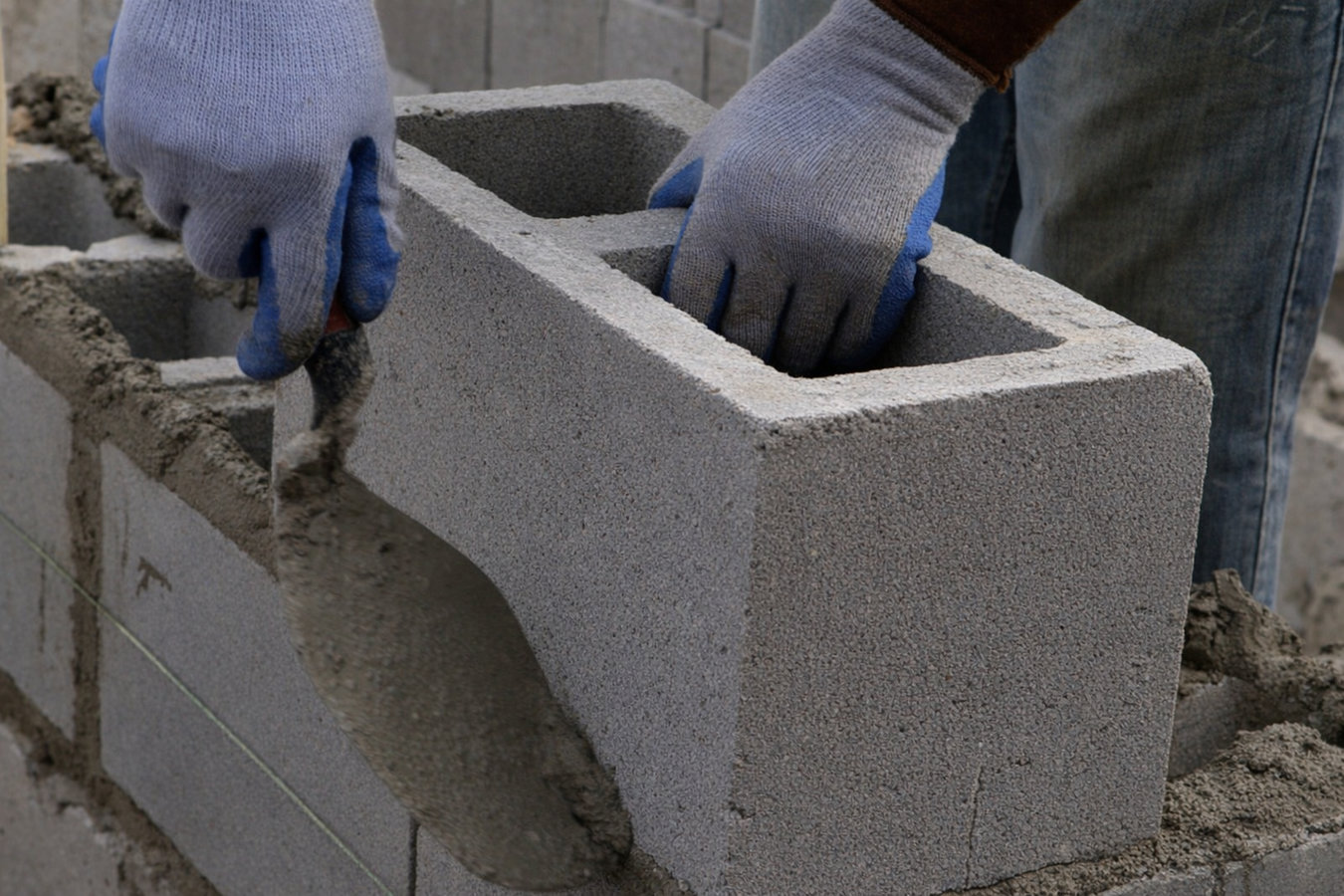
Fayetteville clay soil and wet springs put real stress on foundation walls. We build block foundations that handle it - permits included.
Foundation block wall installation in Fayetteville means stacking reinforced concrete blocks in a precise grid, filling key cells with steel and poured concrete for strength, and waterproofing the finished wall against Fayetteville's wet springs - most residential projects run three to seven days of active work once the permit is in hand.
A lot of homeowners in Fayetteville come to us after noticing something off - a crack that has changed shape, a door that suddenly sticks, or a crawl space that smells musty after every heavy rain. Block wall foundations in this area face real stress from clay soil that expands and contracts with every wet-dry cycle. Catching problems early or building a new wall correctly from the start makes a significant difference in what you spend over the next decade.
Whether you are dealing with an aging foundation in an older neighborhood or building a new addition from scratch, we handle the full scope - from permit to final cleanup. If you also need work on the surface-level structure above, our outdoor kitchen masonry team can coordinate on the same project.
Cracks that follow the mortar joints in a stair-step pattern are a sign the wall is shifting or settling. In Fayetteville, this is especially common after a dry summer followed by heavy rains, when clay soil swells back up. A crack you can fit your finger into needs attention before the next freeze-thaw cycle widens it further.
Stand at one end of your foundation wall and look down its length - it should be straight. Any curve or lean inward means soil pressure from outside is winning. This is more common in older Fayetteville homes with walls built without modern steel reinforcement, and it tends to worsen after wet winters.
White chalky residue on block walls is mineral deposit left behind when water moves through and evaporates. It means moisture is getting in regularly. In Fayetteville's wet springs, a crawl space that floods or stays damp leads to mold, wood rot, and eventually structural damage if the block wall itself starts to deteriorate.
When a foundation wall shifts, it can cause your home's frame to rack slightly out of square. Doors or windows that used to work fine and now stick, drag, or leave gaps at the corners are worth investigating at the foundation level - not just at the door. In older Fayetteville homes, this is often the first visible sign of a foundation problem.
We build new concrete block foundation walls for crawl spaces, additions, detached garages, and partial conversions. Every wall is reinforced with steel rods and poured-concrete core fill where the project requires it. We pull the permit through the City of Fayetteville's Building Safety Division, coordinate the city inspection, and apply waterproofing to the exterior face before backfilling. If the existing foundation needs foundation repair rather than a full replacement, we assess that during the estimate visit and give you an honest recommendation on which approach makes more sense.
For homeowners dealing with aging mortar joints on an existing wall - without full structural failure - selective repointing and foundation repair is often the right starting point. We carry that scope too, so you are not bouncing between contractors to get the complete picture.
Best for additions, detached structures, or crawl spaces that need a new wall built from scratch on a prepared footing.
Suited for homeowners with existing walls that have deteriorated past the point where repair is the better value.
For walls with cracked or missing mortar, minor cracks, or isolated block damage that does not require a full rebuild.
Ideal for existing walls that are structurally sound but allowing moisture into the crawl space - without full replacement.
Fayetteville's clay-heavy soil is the single biggest factor shaping how block wall foundation work is done here. That clay swells when it absorbs moisture from the city's 47-inch annual rainfall and shrinks again in dry spells - a cycle that puts lateral pressure on foundation walls year after year. Older neighborhoods like Hillcrest and the streets near Wilson Park contain a significant number of homes built in the 1940s through 1960s, most of which were constructed before modern drainage and waterproofing practices were standard. When we work on a foundation in those areas, we budget time to assess what is actually behind the wall before we make any recommendations. That honesty upfront saves homeowners from surprises mid-project.
Hillier parts of the city - especially northeast Fayetteville - also sit on or near limestone bedrock that can be just inches below the surface. That affects excavation depth, equipment access, and occasionally the approach to the footing itself. Homeowners in Springdale and Farmington face similar clay-soil and drainage conditions, and we carry the same permits-included, drainage-first approach to every project in the area. The National Concrete Masonry Association at ncma.org publishes the technical standards we follow for reinforcement and block wall construction.
We reply within one business day. You do not need to have all the answers ready - just describe what you are seeing and where the wall is located. We will schedule a free on-site estimate at a time that works for you.
We walk the foundation with you, check both the interior and exterior of the wall where possible, and assess drainage and soil conditions. A written estimate follows within a day or two, listing what is included, what materials will be used, and what is not covered.
Once you accept the estimate, we apply for the required City of Fayetteville building permit - typically a few business days to a week. You do not need to visit the permit office. Work starts only after the permit is in hand.
We excavate, lay block, install reinforcement, pass the city inspection, apply waterproofing, backfill, and clean up. The mortar cures over several days - we will tell you what to avoid during that period. No hidden extras after the project is complete.
Free estimate. Permits handled. No pressure.
(479) 485-4688We apply for the City of Fayetteville building permit as part of every foundation project - you do not have to call the permit office or meet inspectors on your own. The inspection stage is actually a benefit: it means an independent city official verifies the work before anything is covered up.
We address drainage around the base of every wall we build in Fayetteville. Fayetteville's expansive clay is the primary long-term threat to block foundation walls here, and a wall without a drainage plan simply postpones the same problem. We build drainage into the scope, not as an afterthought. The Mason Contractors Association of America at masoncontractors.org documents the drainage standards we follow. The Mason Contractors Association of America documents the drainage standards we follow.
We have been working on block wall foundations in Washington County since 2017. We know the soil conditions, the permit process, and the neighborhoods where older foundations are most likely to need extra attention. That local track record means fewer surprises for you.
We assess soil conditions and the full scope of the wall before we give you a number. If we find something unexpected once excavation begins, we stop and talk to you before doing anything that changes the cost. Your estimate is a real number, not a starting point for upsells.
These are the things that separate a foundation job you forget about from one that comes back to haunt you three winters later. We have built our local reputation on doing this work the way it needs to be done in Fayetteville - permits, drainage, and no surprises.
Permanent masonry outdoor kitchens built on a proper concrete foundation in Fayetteville backyards.
Learn MoreTargeted repairs to existing foundations - crack filling, wall stabilization, and drainage corrections.
Learn MoreSpring is the busiest season for foundation work in Fayetteville - booking now gets your project on the calendar before the rush.