Loading...
Serving Fayetteville, AR and surrounding areas. (479) 485-4688
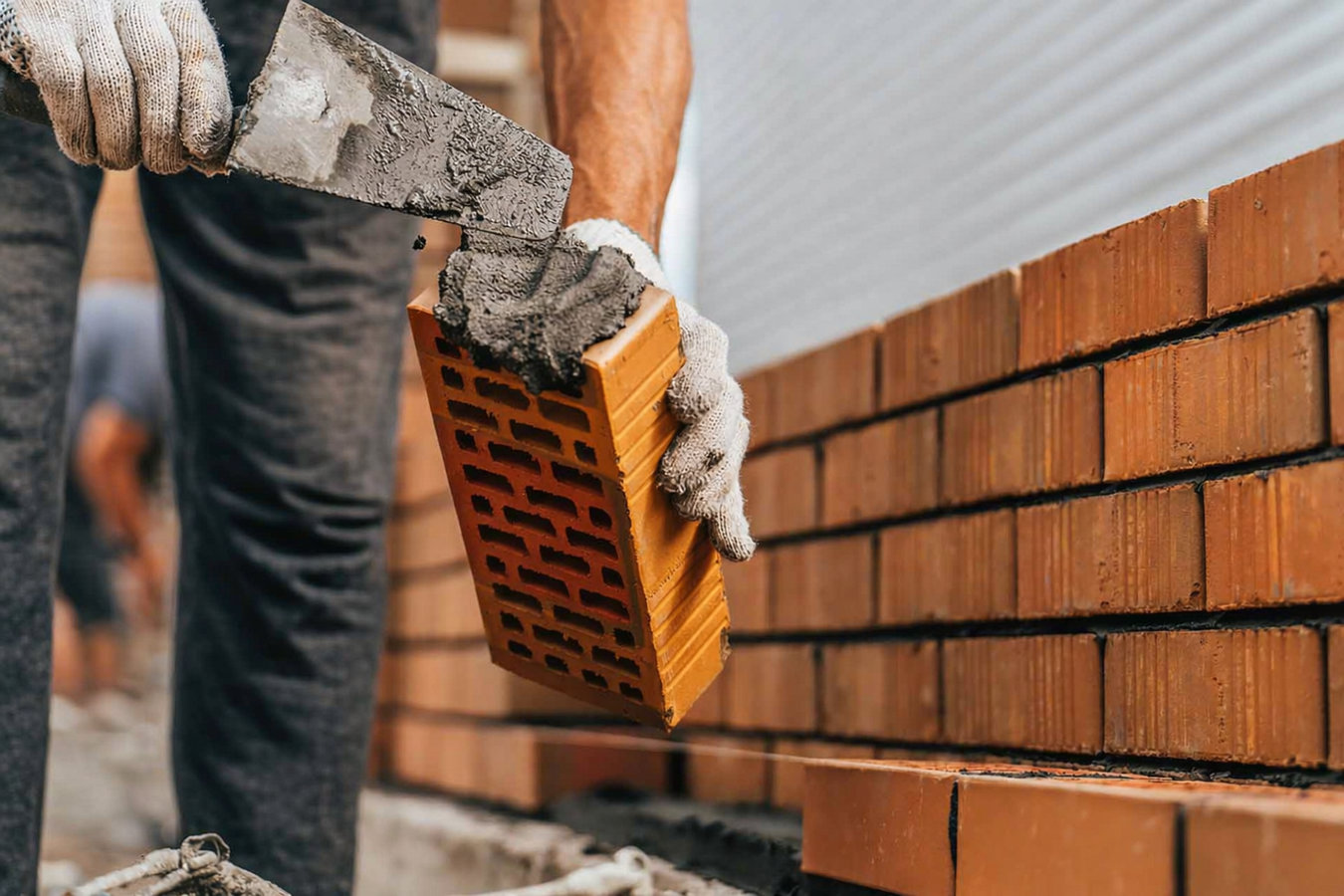
Crumbling mortar, spalling bricks, and diagonal cracks do not fix themselves. We assess the full picture, match the repair to your home, and give you a wall that looks right and holds up to Northwest Arkansas weather.
Brick repair in Fayetteville, AR covers mortar repointing, individual brick replacement, and crack stabilization - most jobs on a single wall or chimney are complete in one to three days with minimal disruption to your home.
The most common brick repair job is repointing - removing old, damaged mortar and packing in fresh material that bonds properly and matches your existing wall. It sounds straightforward, but getting the mortar mix right is where many contractors cut corners. Use a mix that is too hard for your home's age and brick type, and the repair actually damages the bricks themselves over time. That risk is higher in Fayetteville's older neighborhoods, where homes were often built with softer materials that require a more careful approach.
When joints are failing across a broad area, the work overlaps closely with masonry restoration. If your home's exterior also includes concrete flatwork like a driveway or walkway that has cracked alongside the brick, we can assess both during the same visit - see our driveway pavers service for that side of the work.
Run your finger along the mortar joints on your exterior wall. If mortar crumbles away easily, falls out in chunks, or is visibly recessed more than a quarter inch below the brick face, it is no longer sealing your wall. This is the most common sign that water has been working its way in - and it only gets worse with each rain and freeze cycle if left alone.
In Fayetteville, the clay-heavy soil shifts with the seasons - swelling in wet weather and shrinking in dry spells. When that movement stresses a brick wall, you often see diagonal cracks radiating from the corners of window or door openings. These are worth having a professional look at, because they can signal foundation movement rather than just surface wear - and that distinction matters for how the repair is approached.
When individual bricks start to flake apart on the surface - a process called spalling - it usually means they have been absorbing water through damaged mortar joints and then freezing. Fayetteville's winter freeze-thaw pattern drives this kind of damage in older neighborhoods. Spalling bricks caught early can often be replaced individually - left too long, the damage spreads to surrounding bricks and the scope of the repair grows.
If you notice water stains, peeling paint, or a musty smell on an interior wall that backs up to an exterior brick surface, water is getting through. This is especially common after Fayetteville's heavy spring rains. Before assuming the problem is a roof or plumbing issue, it is worth having a mason look at the exterior mortar joints - they are often the source.
We handle the full range of brick repair for homes and structures across Fayetteville - from routine mortar repointing on a single wall to replacing individual damaged bricks that have cracked, spalled, or shifted out of place. The most important step in any repair is the mortar assessment: we test your existing material and mix a replacement that is compatible with your wall's age and brick type. This matters especially in Fayetteville's older neighborhoods, where homes built with softer, lime-based mixes require a gentler approach. Applying the wrong mortar here is one of the most common and costly mistakes in brick work - it forces stress into the bricks themselves and accelerates the very damage you are trying to stop. When broader deterioration has set in, brick repair naturally connects to masonry restoration, which addresses larger-scale weathering across a home's full exterior.
We also repair brick in combination with concrete and paver work when soil movement or drainage problems have damaged multiple surfaces at once. If your driveway or walkway has heaved or cracked alongside your brick walls - common in areas of Fayetteville with clay-heavy soil - we can address both through our driveway pavers service. Handling both in a coordinated visit avoids disrupting finished work with follow-up access.
For walls with worn, cracked, or recessed joints - the standard repair for most residential brick, done with a mortar matched to your home's existing material.
For walls where specific bricks have cracked, spalled, or shifted - each brick is removed and replaced with a match, then repointed flush with the surrounding wall.
For homes with visible cracking that has not yet progressed to structural movement - addresses the damage and helps prevent it from widening through the next season.
Specifically for homes built before the 1960s where original lime-based mortar requires a softer, compatible replacement to protect the existing brick from further stress.
Fayetteville sits in a climate zone where temperatures regularly dip below freezing in winter and then climb back above it within days. Every time water trapped in mortar joints freezes and expands, it pushes the mortar apart a little more. Homeowners here tend to see mortar deterioration faster than homeowners in warmer Southern cities, and that cycle is especially hard on the older brick stock found in neighborhoods like Dickson Street, Wilson Park, and the Fayetteville Historic District. Much of that housing was built in the 1920s through 1950s with original brick and mortar that has never been touched. The National Park Service Preservation Briefs are a useful reference for anyone with a historic property - they cover proper mortar selection in detail.
Clay-heavy soils add another layer of pressure. Much of northwest Arkansas sits on soil that swells when wet and shrinks when dry - and that seasonal movement puts stress on brick walls, particularly near windows, doors, and corners. Homeowners in Springdale and Johnson face the same soil conditions - both communities have similar brick housing stock, and we see the same repair patterns there as we do across Fayetteville.
Reach out by phone or through our contact form and we will typically respond within one business day. We will ask a few basic questions - where the damage is, how long it has been there, and whether you have noticed any water getting inside - so we come prepared for the visit.
We walk the affected area, probe the mortar joints, and check whether any bricks need replacing rather than just repointing. We look at the whole wall - problems often extend further than they appear. You receive a written estimate that breaks down what was found and what it will cost to fix, before any work begins.
The mason removes old mortar to a consistent depth - typically three-quarters of an inch - then packs in fresh material, tools the joints to match your existing profile, and cleans residue off the brick faces as the work progresses. Depending on the job size, this takes one to several days.
When the work is done, we clean the area and walk you through what was done and why. Fresh mortar needs 24 to 48 hours before it gets wet and up to 28 days to reach full strength - avoid pressure washing near the repaired area for about a month. We explain all of this before we leave.
Written estimate, no obligation. We reply within one business day.
(479) 485-4688We test existing mortar before mixing a replacement - a step that matters more in Fayetteville than in many places because of the city's older housing stock. Using a modern hard-cement mix on a 1940s brick home forces stress into the original bricks and causes the kind of damage that requires a much bigger repair later. We choose the mix that works with your wall, not against it.
Diagonal cracks near windows in Fayetteville homes sometimes indicate soil movement or foundation issues, not just surface wear. We tell you which one we are looking at. If we see something that suggests a structural concern, we say so clearly - because patching over a foundation problem does not fix it. Knowing the full picture upfront saves you money and prevents repeat calls.
We have been repairing brick on Fayetteville homes since 2017, which means we recognize the patterns specific to this area - older neighborhoods near the University, sloped wooded lots on the north side, and the seasonal soil movement that shows up in the same places year after year. That familiarity translates directly into faster, more accurate assessments.
We hold an Arkansas contractor license and carry liability and workers' compensation insurance on every job. You can verify contractor license status through the Arkansas Contractors Licensing Board - something worth doing for any contractor before you sign an estimate.
The common thread across all of these points is straightforwardness - you get a clear picture of what is wrong, a specific number to fix it, and work done by a crew that understands what Fayetteville homes actually need.
Comprehensive weathering and deterioration repair across a home's full exterior - the natural next step when brick damage has spread beyond isolated sections.
Learn MoreFor homes where clay soil movement has damaged both brick walls and concrete or paver flatwork - coordinating both repairs avoids disrupting finished surfaces.
Learn MoreOpen mortar joints and wet weather are a bad combination in Fayetteville. A repair done now costs far less than one done after the water has been inside your wall for another season.