Loading...
Serving Fayetteville, AR and surrounding areas. (479) 485-4688
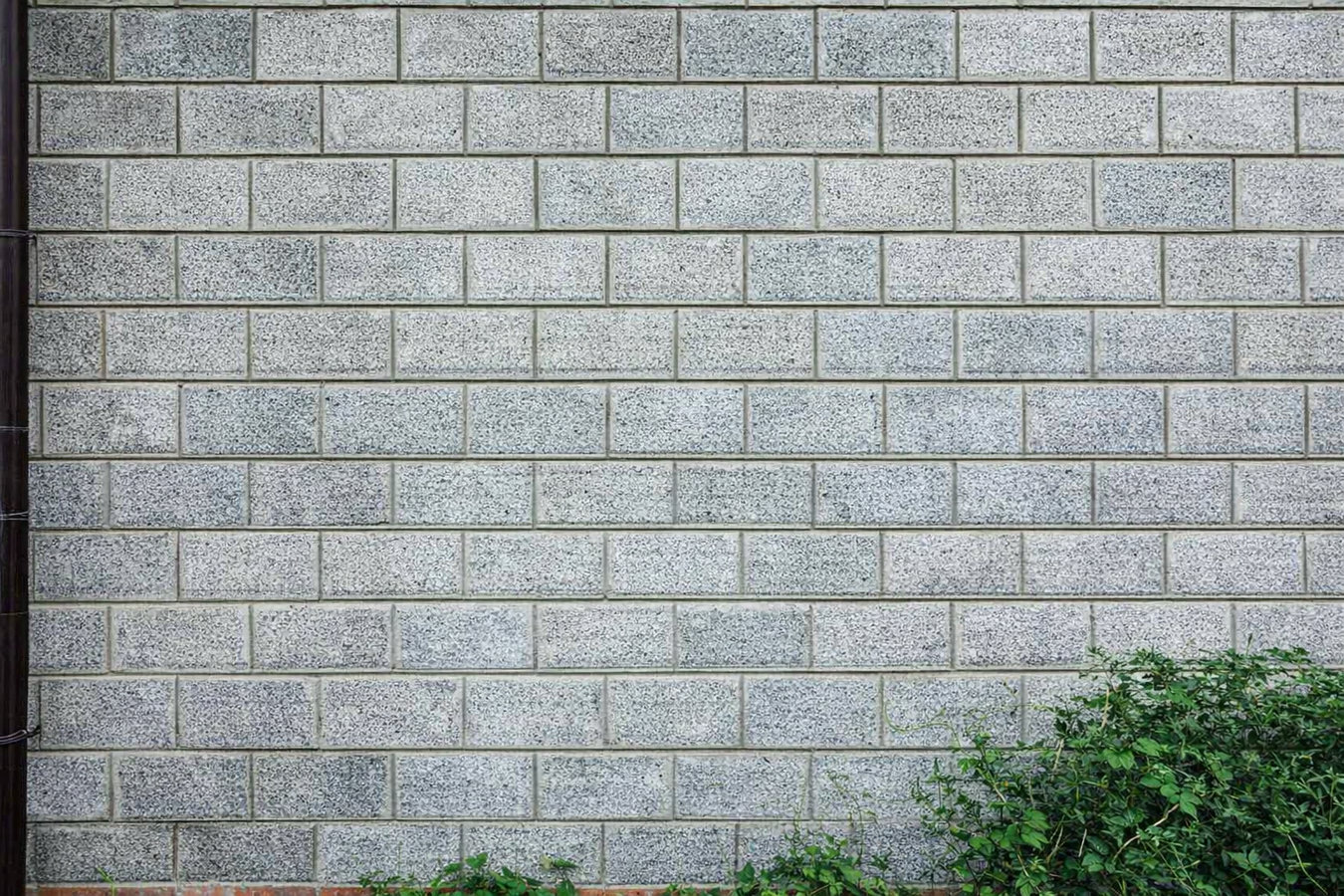
On Fayetteville's hilly lots, a concrete block wall is often the only practical way to hold a slope, create usable yard space, or protect a driveway edge. We build them with frost-depth footings and proper drainage - the two things most failed walls were missing.
Concrete block wall construction in Fayetteville means stacking hollow or solid masonry blocks in mortar, filling the cores with concrete and steel reinforcement where needed, and setting the whole structure on a footing that sits below the frost line - most residential walls take one to three days of active construction once site prep is complete.
On Fayetteville's hillside lots, concrete block retaining walls are not a luxury - they are often the only practical way to stop a slope from eroding, create level yard space, or protect a driveway edge. For homeowners planning a new outbuilding or a patio structure on sloped ground, foundation block wall installation is the natural companion to any concrete block retaining or boundary wall project.
The most common reason concrete block walls fail is inadequate drainage behind them. Clay-heavy soil throughout Washington County swells when wet and holds enormous pressure against any wall that does not have gravel backfill and weep holes to let water escape. The National Concrete Masonry Association publishes the standards that guide how drainage and reinforcement are done correctly - we follow those standards on every project.
If you see soil, mulch, or gravel migrating downhill after a good rain - especially on the steeper lots common in Fayetteville's hillside neighborhoods - that is erosion in progress. Left alone it gets worse each season, and can eventually undermine a driveway, a fence post, or a foundation footing. A concrete block retaining wall stops that movement and gives you back stable, usable ground.
A wall that is visibly tilting toward you, showing diagonal cracks through the blocks, or separating from the ground at the base is failing. This is common in Fayetteville with older walls built without adequate drainage - the clay soil behind them has been pushing for years. A leaning retaining wall is a safety concern, not just a cosmetic one, and it will not self-correct.
If your backyard has been a steep slope since you moved in, a retaining wall is usually the first step toward making it usable. By cutting into the slope and holding the soil back, a contractor creates a flat terrace for a patio, raised garden, or play area. This is one of the most common requests masonry contractors in Fayetteville receive, given how few residential lots in the city are naturally flat.
If the edge of your driveway or a concrete walkway is cracking because there is nothing holding the soil beside it in place, a low block wall or curb wall can stabilize the edge and stop the deterioration. This is common on properties where the driveway runs alongside a slope - something you see frequently in the Ozark hillside neighborhoods throughout Fayetteville.
Every concrete block wall project we build starts with a site visit to assess slope, soil conditions, and access before we give you a price. We excavate for the footing below the frost line, pour the footing, and let it cure before any block goes up. As the wall rises, hollow cores are filled with concrete and steel reinforcement where the wall height or soil pressure requires it. For any retaining wall, gravel drainage backfill and weep holes are standard - not optional add-ons. When the project is connected to a broader landscape plan that includes usable hardscape, retaining wall construction may be part of the same project scope.
For walls that need to hold back soil on steep Ozark hillside lots, the engineering details of reinforcement and drainage are what separates a wall that lasts from one that leans in three years. For homeowners who also want a finished masonry structure above or adjacent to the block wall, foundation block wall installation covers the structural base work that supports a new outbuilding or patio structure on sloped ground.
The right choice when you need to hold back soil, stop erosion, or create a level terrace on a sloped lot - the most common concrete block wall request in Fayetteville's hillside neighborhoods.
Low block walls that define planting areas, raised garden beds, or landscape borders - suits homeowners who want a clean, durable edge that holds its shape season after season without maintenance.
Taller walls along property lines or around outdoor spaces that provide a permanent, low-maintenance alternative to wood or vinyl fencing - suited for homeowners who want durability over decades.
Concrete block stem walls and crawl space foundations for detached garages, workshops, and storage buildings - handles the moisture and soil movement common in Northwest Arkansas better than wood framing at grade.
Fayetteville sits in the Ozark Highlands, and most residential lots - especially in older neighborhoods like Wilson Park and the hillside streets east of campus - have significant grade changes. Retaining walls are not an optional landscaping choice here; they are often the only way to create a stable yard, protect a foundation, or hold a driveway in place. Masonry contractors in Fayetteville build on hillside sites regularly, and the combination of sloped terrain, clay-heavy soils, and seasonal freeze-thaw cycling means the engineering details that separate a lasting wall from a failing one are well understood by anyone with real local experience.
We serve homeowners throughout the northwest Arkansas region, including Springdale and Farmington, where similar Ozark terrain and clay soil conditions make proper drainage and footing depth just as critical as they are in Fayetteville. Rapid residential development in all of these communities means new construction is regularly happening on steeper, more challenging lots - and masonry contractors who have worked here understand what those sites require.
The City of Fayetteville requires permits for most retaining walls taller than four feet, and walls near property lines or drainage easements may require additional review. We handle the permit application and inspection coordination so you do not have to figure out that process yourself.
We ask a few basic questions about what you need the wall to do and where on your property it is going. We respond within one business day and schedule a site visit. We do not give firm prices without seeing the slope, soil, and access conditions in person.
We walk the site with you, take measurements, and assess drainage, slope, and access. You receive a written estimate within a few days that covers the footing, drainage, materials, and labor - not a vague number that leaves room for surprises once work begins.
If your wall requires a city permit - which is common for retaining walls taller than four feet in Fayetteville - we handle the application. Permit review typically adds one to three weeks before your start date. Once approved, we set a start date and order materials. Expect a two-to-four-week lead time during the busy spring and summer season.
The crew excavates for the footing, pours and cures the base, then lays blocks in courses with gravel drainage backfill going in as the wall rises. If a permit was pulled, a city inspector signs off on the completed wall. The wall should not bear soil load or be disturbed for about a week after completion, and reaches full strength over the following three to four weeks. We walk you through what to avoid during that window before we leave.
Free on-site estimate - we assess slope, soil, and drainage before giving you a price. Permit handling included where required.
(479) 485-4688The most common reason retaining walls fail in Fayetteville is water pressure from clay soil that has no path to escape. We include gravel drainage backfill and weep holes on every retaining wall - not as an upgrade, but as a standard part of how a wall is supposed to be built. Skipping this is how contractors lower a bid, and it is why so many older walls in this area are already leaning.
Fayetteville's winters bring enough hard freezes to heave a footing that is set too shallow. We dig below the local frost depth on every project - not to code minimum, but to what the soil and exposure conditions at your specific site require. A footing set at the right depth is invisible once the wall is finished, but it is what keeps the wall plumb and stable through a decade of freeze-thaw cycles.
We have built concrete block walls on sloped lots throughout Fayetteville and the surrounding area since 2017 years ago, on sites ranging from gentle backyard grades to steep Ozark hillsides with difficult vehicle access. That experience matters when a site has tree roots, uneven ground, or soil conditions that change across the footprint of the wall. We assess it in person before we give you a price.
Navigating the City of Fayetteville permit process is something we handle on your behalf - application, coordination with the Building Safety Division, and scheduling the final inspection. You should not have to figure out what is required or chase approvals yourself. A wall built with a permit passes inspection and does not create complications when you sell your home.
A concrete block wall built correctly on a Fayetteville hillside lot should outlast the rest of your landscaping. The drainage, footing depth, and reinforcement details are unglamorous, but they are exactly what determines whether your wall is still standing straight in 20 years or needs to be rebuilt in five.
Structural block wall foundations for detached garages, workshops, and additions on sloped Fayetteville lots where a solid masonry base is needed before building begins.
Learn MoreFull retaining wall planning and construction for larger slope control and terrace creation projects where engineering and drainage design are the primary focus.
Learn MoreSpring booking fills quickly in Northwest Arkansas. Contact us now and we will schedule a site visit, assess your slope and soil, and give you a written estimate before the season fills up.