
Loading...
Serving Fayetteville, AR and surrounding areas. (479) 485-4688
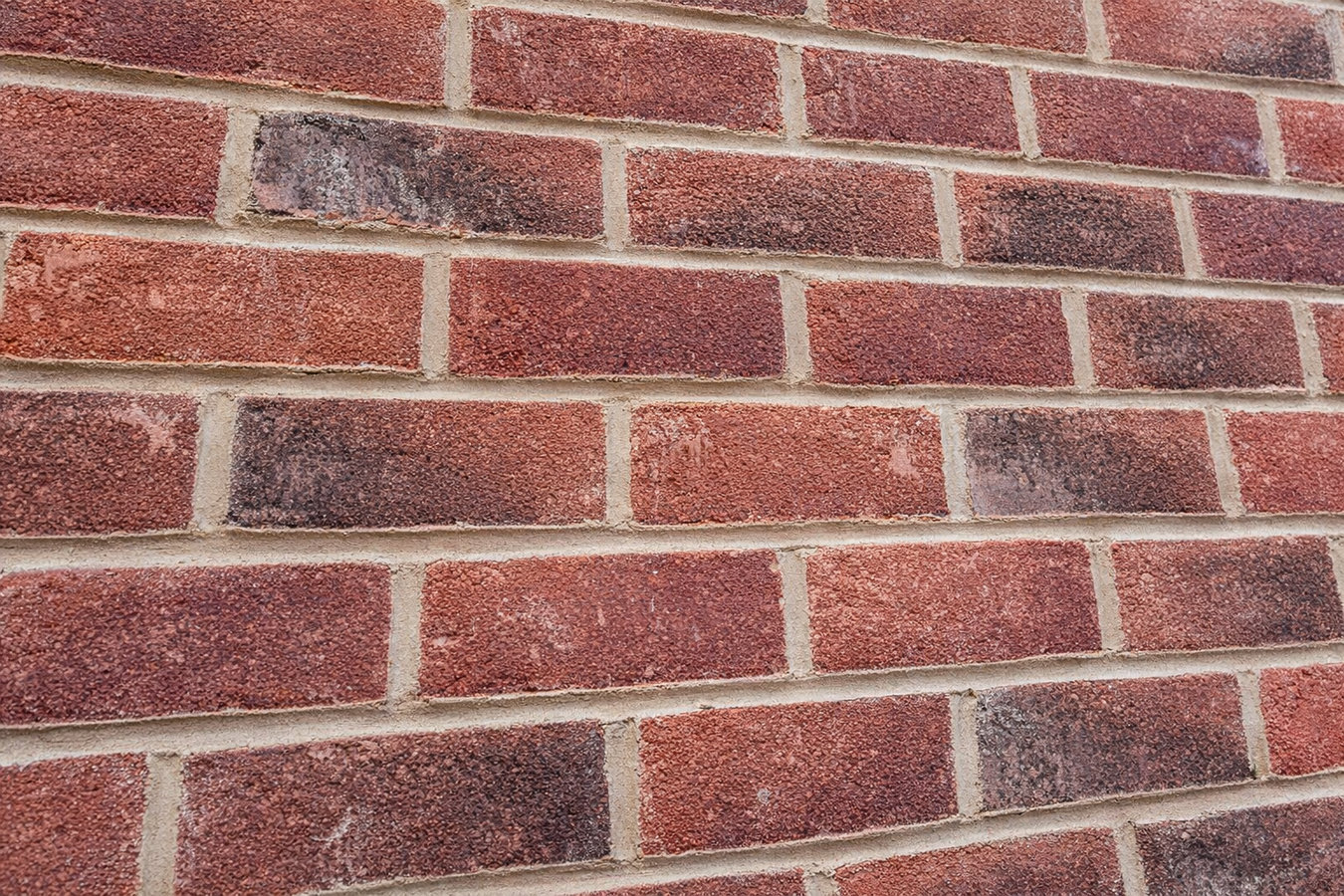
Crumbling mortar joints let water in, and Fayetteville winters turn that water into a freeze-thaw problem fast. We replace failing joints with fresh mortar matched to your existing wall so the repair blends in and the protection lasts.
Brick pointing in Fayetteville means removing old, crumbling mortar from the joints between bricks and replacing it with fresh mortar - restoring the wall's ability to keep water out. Most single-chimney or short-section jobs finish in one to two days; full exterior repoints on larger homes take three to five days depending on access and how much scaffolding is needed.
The mortar joints between your bricks are the wall's first line of defense against water. When those joints wear down or crack - and in Fayetteville's climate they do, faster than in warmer parts of the country - water starts finding its way in. Every winter that follows, it freezes, expands, and widens the damage a little more. Catching it early is almost always cheaper than addressing the structural consequences of waiting.
For homes where the brick faces themselves are damaged - spalling, cracked units, or sections that have shifted - our foundation repair and tuckpointing teams handle the structural assessment alongside joint repair so you get a complete picture of what the wall needs.
Run your finger along the mortar joints. If the material feels soft, sandy, or crumbles away, it has lost its binding strength and is no longer keeping water out. Gaps visible from a few feet away are a clear signal. Fayetteville's freeze-thaw winters widen small cracks a little more each season, so what looks minor in October can be a real problem by March.
That chalky white residue on brick is called efflorescence - mineral salts left behind when water moves through the wall and evaporates on the surface. Northwest Arkansas gets over 47 inches of rain per year, with the heaviest concentrated in spring. Efflorescence tells you water is already getting in through failing joints, not just sitting on the surface.
Chimneys take more weather exposure than any other brick surface on your home and tend to fail first. If the joints near the top of your chimney look lighter, more recessed, or more crumbly than the joints lower down, the chimney needs repointing. It is also worth checking the rest of the exterior while you are at it.
Water marks, damp patches, or peeling paint on an interior wall that backs up to a brick exterior means water is getting in through the mortar joints outside. In Fayetteville, heavy spring rains can push a lot of water through even small gaps, and interior damage signals the problem has been going on long enough to penetrate the wall.
Every brick pointing job starts with cutting out the old mortar to a consistent depth - ideally about three-quarters of an inch - before any new material goes in. This step separates a repair that lasts from one that fails in a few years. Contractors who skip thorough removal and simply layer new mortar over old are offering a surface fix, not a structural one. We use a small grinder or chisel to clean out each joint properly, then pack in fresh mortar by hand and tool it to match the original profile of your wall.
Mortar color matching is handled before the full job starts. We apply a test patch on a small section, let it dry completely, and compare it to your existing wall in natural light - because mortar shifts color as it cures, and what looks close when wet can look noticeably different once dry. For homes in Fayetteville's older neighborhoods where the original mortar has decades of weathering, getting a close match takes patience. We also offer tuckpointing for walls where the decorative joint profile needs to be restored, and our foundation repair team handles situations where joint failure has affected the structure below grade.
Best for homeowners whose chimney joints look lighter, softer, or more recessed than the rest of the exterior - chimneys fail first and are the most common starting point.
Best for homeowners with widespread joint deterioration across one or more exterior walls, especially on homes built before 1980 that have never been repointed.
Best for homeowners who caught the problem early - a section of wall with visible gaps, a few failing courses near the base, or a specific area after storm damage.
Fayetteville sits in the Ozark highlands and regularly experiences temperatures that drop below freezing in winter and climb into the 90s in summer. That repeated cycle of freezing and thawing is one of the most damaging forces mortar faces. Water seeps into tiny cracks, freezes, expands, and widens the gap a little more with every cold snap. Homeowners here should expect to inspect their brick more frequently than someone in a milder climate, and should prioritize repairs before winter arrives each year. The Brick Industry Association covers the technical standards for mortar selection and joint repair that protect brick through these conditions.
The Dickson Street corridor, Wilson Park neighborhood, and many areas near the University of Arkansas campus contain homes built in the 1940s through 1970s. Original mortar from that era has a natural lifespan, and many of those homes are now at or past the point where repointing is overdue. We work throughout the region - including in Springdale and Rogers - and on older homes we take special care to choose mortar that is compatible with softer, older brick rather than a harder modern mix that can damage what it is meant to protect.
We reply within one business day. You describe the structure and roughly how much area needs attention. We ask a few questions - chimney or exterior wall, whether you have noticed interior moisture - and schedule a free on-site assessment.
We walk your home and look closely at the mortar joints - checking depth of damage, whether any bricks themselves are affected, and whether the existing mortar profile can be matched. This visit takes 20 to 45 minutes. A written estimate with a clear scope follows - no vague totals.
Before the full job starts, we apply a small mortar test patch and let it cure completely to check color match against your existing wall. We also confirm with you what to move away from the work area - patio furniture, planters, anything within six feet of the wall. You do not need to be home during the work.
The crew grinds out old mortar to proper depth, packs in fresh mortar by hand, and tools each joint to match the original profile. After cleanup we walk you around the finished work. Fresh mortar needs 24 to 48 hours before rain and up to a week to reach full strength - we tell you the specific window for the mortar we used.
Free estimate, no obligation. We reply within one business day.
(479) 485-4688The most common reason brick pointing fails early is that the old mortar was never properly removed before new material was applied. We grind out joints to approximately three-quarters of an inch before packing in fresh mortar - the step that determines whether a repair lasts two years or twenty. You can ask any contractor you consider about this specific detail.
One of the most common complaints homeowners have after repointing is that the new mortar looks patchy or mismatched. We apply a test patch and let it dry completely before committing to the full job - because mortar shifts color as it cures. For older Fayetteville homes with decades of weathered mortar, an exact match is not always possible, but we get close enough that the repair blends in rather than advertising itself.
Bricks made before the 1970s tend to be softer than modern brick. Using mortar that is harder than the brick itself can cause the brick faces to crack or flake over time - damage that looks like the brick failed when actually the mortar caused it. The Mason Contractors Association of America addresses this in its technical guidance. We assess brick hardness and choose a compatible mix for every older home we work on.
Arkansas requires masonry contractors to hold a valid state license through the Arkansas Contractors Licensing Board - you can verify ours online in minutes. In Fayetteville's active renovation market, unlicensed operators do occasionally solicit work door-to-door after storm events. Hiring a licensed contractor means you have legal recourse if the work fails, not just a phone number that stops being answered.
Our approach to brick pointing in Fayetteville comes down to two things: doing the removal step correctly and matching the mortar to the brick. Both of those decisions happen before the visible work starts, and they are what separate a repair that holds through Ozark winters from one that needs redoing in a few seasons.
When joint failure has affected the structure below grade, our foundation team assesses and corrects damage at the source.
Learn MoreFor walls where the decorative joint profile needs to be restored alongside structural mortar replacement.
Learn MoreNorthwest Arkansas gets its heaviest rainfall between March and May - protect your walls now while our schedule still has openings.